Back on the Road With Confidence - Reliable Auto Care
Quality auto repair supports vehicle safety and performance. A solid shop provides complete work, from periodic inspections to urgent repairs. Figuring out when a car needs attention can be overwhelming. Many drivers struggle to locate trustworthy mechanics. Preventive upkeep plays an important role in boosting your car's durability. Yet, the issues involving expenses and connecting with technicians can leave one unsure. How can vehicle owners proceed to keep their vehicles road-ready?
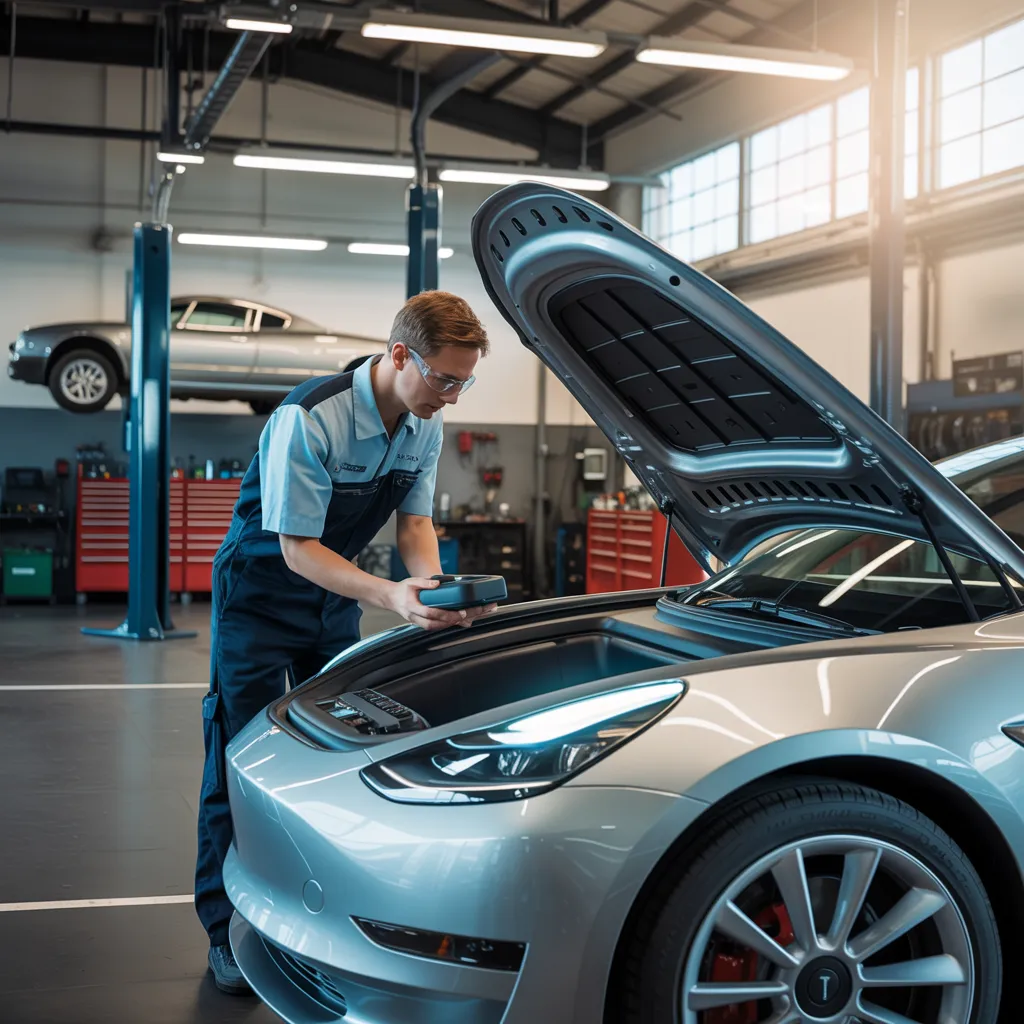
Recognizing When Your Car Requires Repairs
How can one determine when a vehicle has issues? There are various key indicators that indicate a maintenance need. Unusual noises, such as grinding or squeaking, often suggest brake or engine problems. Warning lights on the dashboard, particularly the check engine light, should not be ignored, as they warn of potential problems that demand immediate inspection. Additionally, a drop in performance, such as sluggish acceleration or difficulty starting, can also indicate underlying mechanical issues.
Visual indicators, such as fluid leaks or uneven tire wear, are additional signals that maintenance is necessary. If the car drifts to one direction while operating, this could signal alignment problems or tire problems. Regularly monitoring these factors can help guarantee timely repairs, preventing greater deterioration and expenses in the future. In summary, being observant and proactive is essential for preserving your car's condition.
How to Find a Trustworthy Auto Repair Shop
Locating a trustworthy repair facility can be a tough task for car owners. To begin, individuals should ask for recommendations from friends, next of kin, or coworkers. Own experiences often impart valuable insights into a operation's quality of service. Online reviews and ratings on platforms like Yelp or Google can also help evaluate consumer contentment.
Next, validating endorsements and partnerships with established sector bodies, such as the Automotive Service Excellence (ASE), can highlight a shop's investment in quality benchmarks. It is advisable to visit potential shops for an initial consultation, letting clients to review cleanliness, organization, and customer service.
In addition, securing formal quotes before any work begins can prevent disagreements regarding costs. Finally, a reliable shop should be upfront about its services and ready to describe repairs. By taking these steps, vehicle owners can increase their chances of discovering a dependable auto repair shop.
The Vital Advantages of Regular Automobile Upkeep
While many car owners may fail to address routine upkeep, consistent vehicle maintenance is indispensable for securing a car's lifespan and peak performance. Avoiding upkeep can result in a series of problems, from minor inconveniences to significant breakdowns. Regular inspections, such as oil changes, wheel adjustments, and brake inspections, can prevent costly repairs and strengthen safety on the road.
In addition, regular maintenance helps preserve a vehicle's fuel economy, decreasing overall running expenses. It also safeguards the selling price; a properly maintained car is often more appealing to prospective customers.
Committing to regular upkeep creates a sense of accountability among owners, urging them to stay informed about their vehicle's needs. By prioritizing regular care, vehicle owners not only safeguard their monetary investment but also contribute to overall road safety. Ultimately, regular vehicle upkeep is a preventive strategy that benefits both the owner and the broader community.
Grasping Service Expenses
Deciphering repair costs can often be bewildering for automobile proprietors. Various considerations shape these expenses, such as labor rates, parts pricing, and the challenge of the repair work. Labor charges fluctuate considerably depending on area and establishment, typically reflecting the mechanic's proficiency and the shop's overhead. Additionally, the choice of components employed—whether original equipment manufacturer (OEM) or replacement—can significantly influence the total expense.
Vehicle model and age also factor in to costs; rare or vintage models may require unique components that are pricier and harder to source. Furthermore, surprise complications can occur during maintenance work, resulting in supplementary charges that were not initially anticipated. By gaining a basic understanding of such considerations, vehicle owners can address repair assessments with more certainty and take knowledgeable choices regarding their car-related necessities.
How to Distinctly Articulate Car Problems to Your Technician
Expressing car problems clearly to a mechanic can significantly improve the diagnosis and repair procedure. When explaining issues, car owners should be detailed about signs, such as unusual noises, vibrations, or dashboard alerts. Providing information on when the issue occurs—whether during acceleration, braking, or idling—can also help the mechanic determine the issue.
It is significant to identify any recent changes in driving behavior or maintenance history. Utilizing clear, straightforward language sidesteps vagueness, allowing the mechanic to interpret the situation more accurately. Vehicle operators should avoid incorporating industry terminology unless they are confident in its interpretation.
Moreover, providing files, such as service records or previous repair invoices, can furnish context. A thorough explanation not only facilitates swift diagnosis but also creates a collaborative relationship between the car owner and the mechanic, ultimately contributing to effective repairs.
Establishing a Lasting Relationship With Your Auto Repair Shop
Creating a long-term bond with an auto repair shop relies on trust and openness. Consistent superior service strengthens this partnership, while clear communication pathways ensure that clients feel valued and heard. In combination, these components form a collaboration that serves both the client and the technician.
Create Trust By Way Of Transparent Sharing
When customers feel knowledgeable about the tasks their vehicles need, examine this material confidence naturally arises between them and their auto repair shop. Transparency in communication is essential; it allows customers to understand the reasoning behind recommended repairs and maintenance. Auto repair shops that provide clear explanations, accurate estimates, and open discussions create a sense of security among their clientele. This openness not only simplifies the repair process but also empowers customers to make well-considered decisions. Furthermore, sharing information about the shop’s qualifications, warranties, and service history strengthens credibility. By prioritizing transparency, auto repair shops can cultivate lasting relationships, encouraging repeat customers and customer loyalty. Ultimately, trust through transparency sets the path for a more satisfying and reliable auto repair experience.
Consistent High-Grade Service
Consistent quality service is the cornerstone of a enduring connection between customers and their auto repair shop. When customers obtain reliable and efficient repairs, they are more likely to come back for future maintenance. This dependability builds trust, allowing customers to be assured in the skill of the technicians. Over time, as customers observe the same high standards being upheld, a sense of commitment develops. Regularly performed quality checks and adherence to industry standards guarantee that vehicles are not only fixed but also maintained to prevent future issues. Such commitment to excellence creates an setting where customers sense appreciation, knowing their vehicles are in capable hands. Ultimately, this commitment to consistent quality service strengthens the relationship between auto repair shops and their clientele.
Establish Messaging Pathways
Effective interchange serves as an essential bridge between patrons and their auto repair shops, enhancing trust and understanding. Transparent communication pathways establish a teamwork-oriented atmosphere where customers feel valued and kept in the loop. When repair shops provide lucid explanations regarding work performed, expenses, and timelines, patrons can make better decisions about their vehicles. Consistent communications during repairs can alleviate apprehension and forge assurance in the shop's expertise. Conversely, patrons who express their reservations and preferences participate in to a more personalized engagement. This reciprocal dialogue not only strengthens bonds but also stimulates allegiance. By stressing transparent communication, auto repair shops can establish a reputation for trustworthiness, making certain that patrons return for subsequent needs, certain in the labor they will receive.
Common Questions Posed Often
What Steps Should I Take if My Car Stops Working Suddenly?
When a car breaks down abruptly, the driver should safely pull over, turn on hazard lights, evaluate the situation, and contact roadside assistance or a tow service if needed. Remaining composed is essential.
How Can I Identify if a Mechanic Is Reliable?
To assess a mechanic's reliability, one should review ratings, ask for referrals, evaluate certifications, and notice openness in costs. A trustworthy technician will speak plainly and provide detailed explanations of required maintenance and services.
Do auto repair guarantees available?
Several auto repair shops offer guarantees on their services and parts, typically ranging from 90 days to several years. Customers should inquire regarding specific terms and conditions to ensure adequate protection for their repairs.
What Requirements Should I Keep in My Car for Emergency Situations?
A properly equipped car should contain a spare tire, jack, jumper cables, flashlight, first aid kit, essential tools, and tire pressure gauge. These essentials help ensure safety and resolve minor issues during unforeseen situations on the road.
What Can I Do to Prepare My Car for Seasonal Changes?
To prepare a car for weather transitions, one should check liquid amounts, examine tires for wear and inflation, check the battery, change wipers, and make certain lights function properly for best safety and operation.